Pixelcut AI 3D Icon Generator vs Oven AI: Which Actually Ships to Production?
For product managers and designers, turning a 2D concept into a 3D model usually means days of manual modeling or expensive agency retainers.
When you consider the traditional cost—often paying upwards of $200 from an artist for one model vs, almost zero for multiple 3d model for ai—the shift to AI tools is inevitable. A quality set of icons can communicate ideas instantly, guide users through digital experiences, and help establish a brand’s tone. But not all generators are created equal.
To find out which platform actually delivers production-ready assets, we scrapped the generic feature lists and ran a head-to-head experiment between Pixelcut and Oven AI.
The Experiment: The SaaS Pricing Page Test
To see how these tools handle real-world design constraints, we ran a side-by-side test using the exact prompt: 'glossy 3D purple crystal for a SaaS pricing page'.
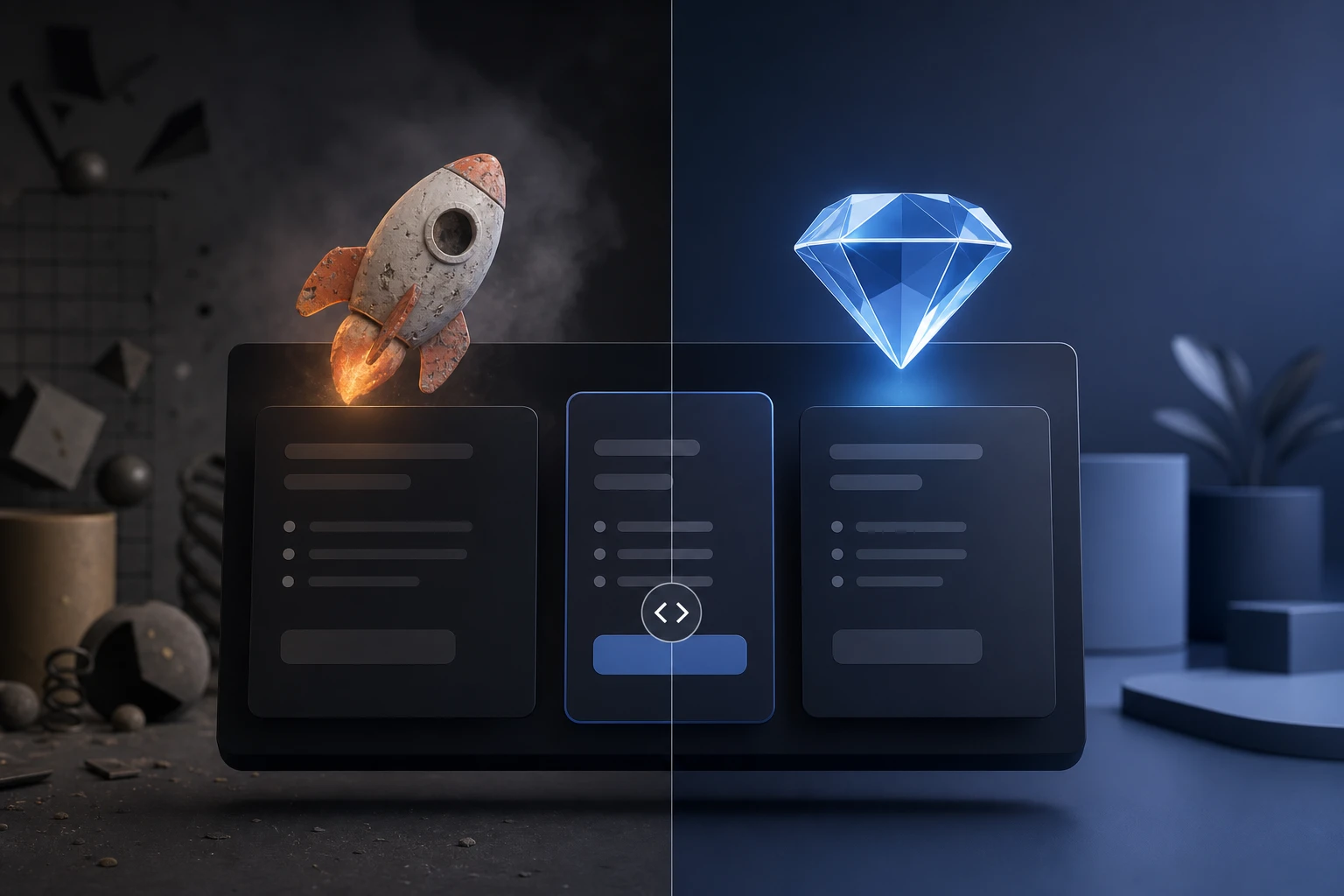
The Pixelcut Output: Pixelcut is a popular general-purpose image editor with AI capabilities. When we used it to generate the crystal, it produced a visually decent standalone image. However, the output felt like a generic stock asset. It lacked the specific isometric angles, UI-friendly lighting, and spatial awareness needed to drop smoothly into a modern software layout.
The Oven AI Output: Oven AI is built specifically for digital product teams. You type the description, pick a style preset, and it runs through a specialized diffusion + 3D render pipeline. Hitting an impressive ~6-second generation time benchmark, Oven AI baked a pixel-perfect 3D icon. The result wasn't just a flat picture; it was a scene-ready prop with perfect specular highlights, ready to ensure the pitch deck didn't look like a stock-photo wasteland.
Export Formats & Background Removal Accuracy
A major pain point for any design team is getting the asset out of the generator and into the canvas. Production pipelines require versatile export formats: pristine PNG files for standard UI, optimized WEBP for fast-loading web performance, scalable SVG for vectors, and GLB files for interactive 3D elements.
- Pixelcut: While it offers standard image exports, Pixelcut often struggles with background removal accuracy on complex objects. When isolating the glossy 3D crystal, the edge detection left a slight, frustrating halo around the refractions.
- Oven AI: Oven AI is engineered to output transparent PNG assets with no background natively. The background removal accuracy is flawless, meaning you can drop the crystal into any deck or app right away without needing secondary cleanup tools. Every render is finished, brand-ready, and exportable to wherever your team works.
Style Memory vs. Generic Outputs
When you explore AI to create cohesive icon libraries, consistency is the hardest metric to achieve.
With Pixelcut, every time you generate a new icon, you are essentially rolling the dice. Getting five different icons,a crystal, a trophy, and a gear,to look like they belong in the same visual family requires endless prompt engineering and trial and error. The outputs remain fundamentally generic.
Oven AI solves this exact problem with its 'style memory' feature. Instead of hoping the AI remembers your brand guidelines, you can lock a palette, train on your style , every export matches your design system. Whether you need gems, packaging shots, or UI elements, Oven AI ensures that every piece of your iconography shares the exact same lighting, texture, and aesthetic DNA.
Pricing: Pay-As-You-Bake vs. Subscription Bloat
Most AI design platforms force users into expensive monthly subscriptions, which is highly inefficient if you only need a handful of icons for a specific two-week sprint.
Pixelcut relies on this traditional subscription bloat, charging you a recurring fee regardless of how much you actually use the tool. Oven AI takes a completely different approach with its 'pay-as-you-bake' pricing model. You pay only for the icons you actually keep. This makes it infinitely more scalable for solo designers and ten-person product teams who want premium assets without the overhead of unused subscription tiers.
The Verdict
If you want to play around with AI, general tools will give you a fun image. But if you need to create 3D icons that actually ship to production, you need a pipeline designed for real workflows. From its ~6-second generation time and flawless background removal to its style memory features, Oven AI is built for teams that need to move fast.
If this is the kind of work you're shipping, that's the gap we built Oven AI to close , open it the next time you hit this wall.
If this is the kind of work you're shipping, that's the gap we built Oven AI to close — open it the next time you hit this wall.